
 میدل ایست آی
Iran protests: Death toll rises to 16 amid ongoing crackdown
Iran protests: Death toll rises to 16 amid ongoing crackdown
Demonstrations continue despite lethal force, with more than 500 arrested

Protesters attack a government building in Fasa, in southern Iran on 31 December 2025 (Anaonymous/UFC via AFP)
Off
At least four people were killed on Saturday amid a crackdown on protests in Iran, according to a human rights group.
The Norway-based Iran Human Rights (IHRNGO) said 30 more people were wounded as security forces attacked demonstrators in Malekshahi county in Ilam province.
Kurdish rights group Hengaw said at least 17 people have been killed since protests began last week.
HRANA, a network of rights activists, put the death toll at 16 and said 582 people have been arrested.
Despite the authorities' use of lethal force against protesters, demonstrations have continued to grow, although they have yet to reach the capital, Tehran.
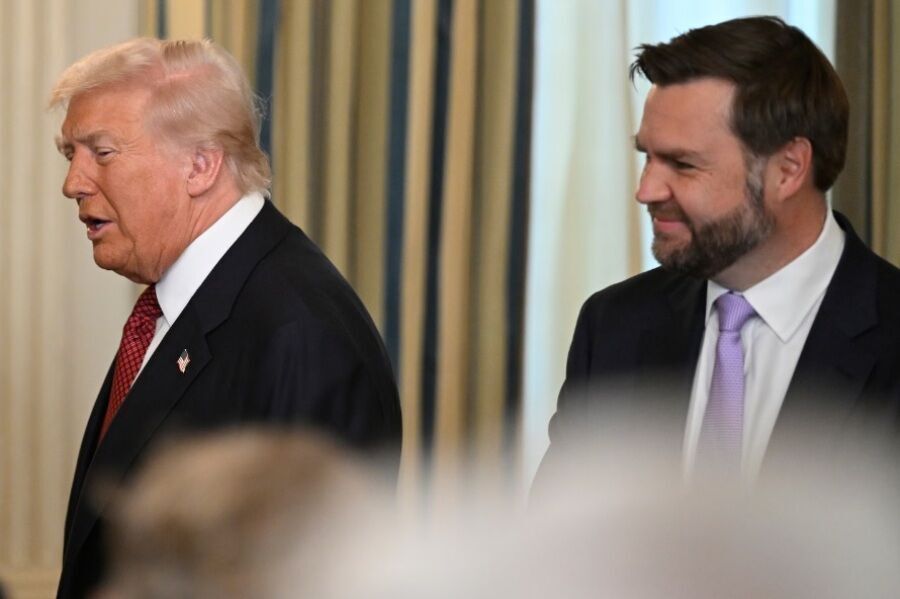
Amid the mounting death toll, US President Donald Trump said on Friday that Washington would intervene if civilians were harmed.
"If Iran shoots and violently kills peaceful protesters, which is their custom, the United States of America will come to their rescue. We are locked and loaded and ready to go," he said.
At least four people have been killed and 30 injured after security forces attacked protest gatherings in Malekshahi, Ilam province, based on reports received by Iran Human Rights. Those killed were named as Reza Azimzadeh, Fares Aghamohammadi, Latif Karimi and Mohammad Bozoneh.… pic.twitter.com/aBytgxKrai
— Iran Human Rights (IHRNGO) (@IHRights) January 3, 2026
Pro-government officials and media quickly responded, accusing protesters of acting as US pawns - a statement that some fear could be used to justify a harsher crackdown.
Ali Larijani, the secretary of Iran's supreme national security council, said the US and Israel played a role in the protests and warned of "destabilisation of the whole region and the destruction of American interests" should the US intervene.
Cost of living crisis
The demonstrations in Iran began on Sunday as strikes against the rising cost of living.
They have quickly turned into nationwide political protests in at least 30 cities, marking the largest wave of unrest since 2022.

The Iranian rial has been steadily falling against the US dollar for months, driving up inflation and prices.
By the end of December, one dollar was trading at around 1.45 million rials on the open market, compared with about 55,000 rials in 2018, when US sanctions were reimposed.
The dollar rate is a key indicator of Iran's economic health, with the collapse of the rial affecting daily life.
Analysts point to US sanctions on Iran's oil, gas and petrochemical exports, international banking restrictions, and widespread corruption as the main drivers of the crisis.
The rial's decline accelerated after Israel attacked Iran in June, followed by US strikes on nuclear sites.
By the end of the 12-day conflict, one dollar was trading at around 850,000 rials on the open market.
Death toll from Iran protests rises to 16 amid ongoing crackdown
Post Date Override
0
Update Date
Update Date Override
0