
 میدل ایست آی
US, Iran confirm nuclear talks in Oman after venue and agenda dispute
US, Iran confirm nuclear talks in Oman after venue and agenda dispute
Meeting in Muscat set for Friday as Trump warns Tehran to be 'very worried'

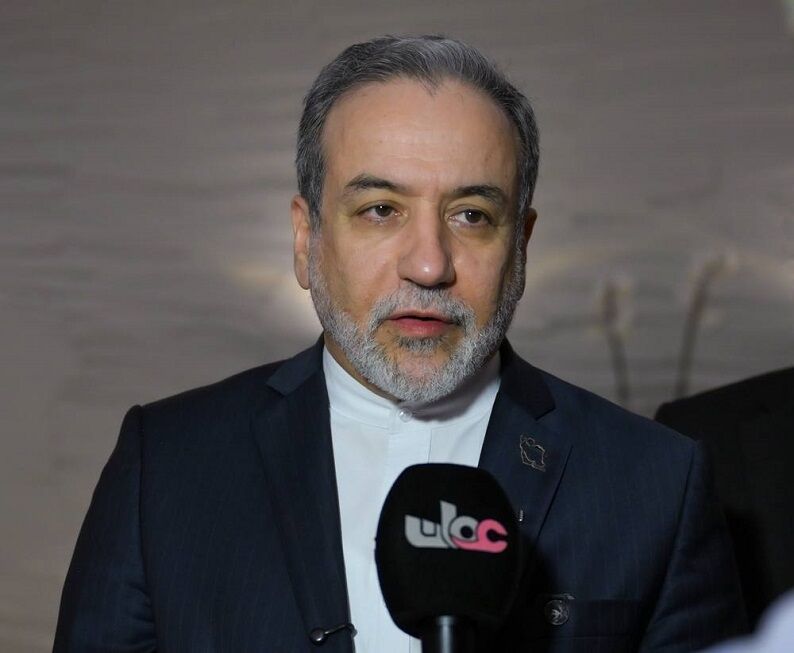
Iran's Foreign Minister Abbas Araqchi speaks during a joint press conference with his Turkish counterpart following their meeting in Istanbulon 30 January 2026 (Turkish foreign ministry/AFP)
Off
Iran and the United States have agreed to hold nuclear negotiations in Oman on Friday, after reports said the talks were falling apart over venue and format.
American news outlet Axios reported that the talks on Iran's nuclear programme were back on after several Middle Eastern leaders urgently lobbied the Trump administration.
Following repeated threats of military action by US President Donald Trump, Iranian Foreign Minister Abbas Araghchi said negotiations were now "scheduled" for Friday in Muscat.
"I'm grateful to our Omani brothers for making all necessary arrangements," he said on X.
Oman has previously served as a mediator in indirect contacts between the two sides.
White House officials have also confirmed the time and place of the meeting.
The development comes amid rising tensions between Washington and Tehran, as American military build-up in the Gulf continues.
While the talks were originally slated for Turkey, Iran wanted the meeting to take place in Oman as a continuation of previous talks held in the Gulf Arab country that had focused strictly on Tehran's nuclear programme, a regional official said.

Gulf states fear US attack on Iran spoils chance at 'concessions' from weakened Islamic Republic
Read More » Last week, Araghchi said that Tehran is ready for nuclear talks with Washington but discussions about its ballistic missile programme are off the table.
The foreign minister, who was on an official visit to Turkey, added: "Iran’s defence capabilities and missile programme will never be a subject of negotiation."
Iran’s semi-official Mehr News Agency reported that Washington seeks to "raise issues outside the nuclear framework, including defence matters.
"These demands are not only unrelated to the nuclear issue but are directly tied to national security and the country’s deterrent capability, and are fundamentally non-negotiable," the report quoted an official as saying.
"Iran is ready to negotiate within a defined framework based on mutual respect on nuclear matters," the official said, adding that the "insistence on excessive demands and raising issues beyond the agreement is the main factor behind any potential deadlock".
Trump, who has sharply built up the US's military presence in the region in recent days, refused to rule out new military action and continued to ramp up the pressure on Supreme Leader Ayatollah Ali Khamenei.
"I would say he should be very worried," Trump said on Wednesday in an interview with US broadcaster NBC News.
"They were thinking about starting a new site in a different part of the country," Trump said. "We found out about it, I said, you do that, we're going to do very bad things to you."
The US and Israel accuse Iran of seeking to develop nuclear weapons, while Tehran maintains that its nuclear programme is designed for peaceful purposes.
Post Date Override
0
Update Date
Update Date Override
0