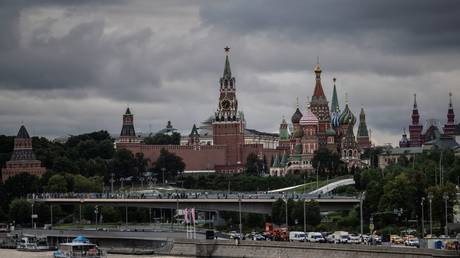
Nuclear arms, Iran, and US-China trade are expected to feature in the Shenzhen talks, while Moscow rejects fears of a ‘new Yalta’
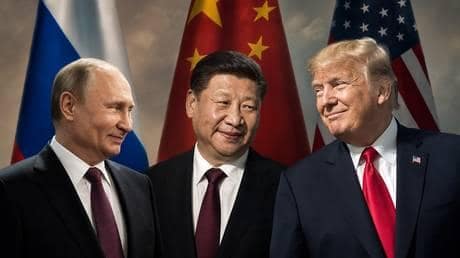
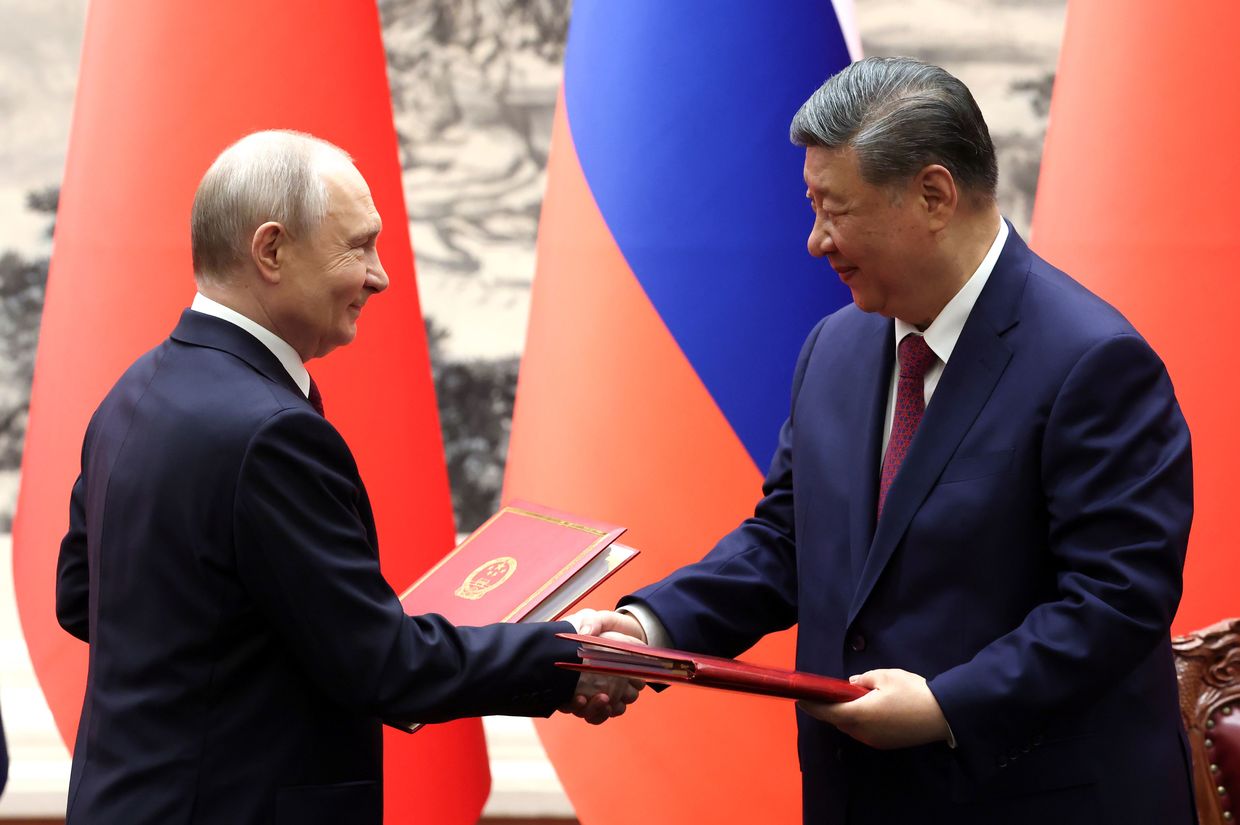
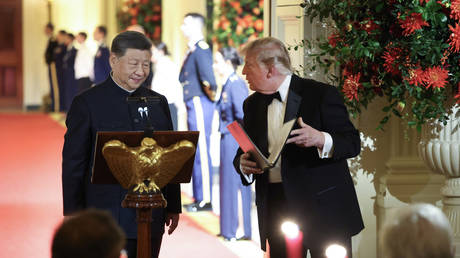
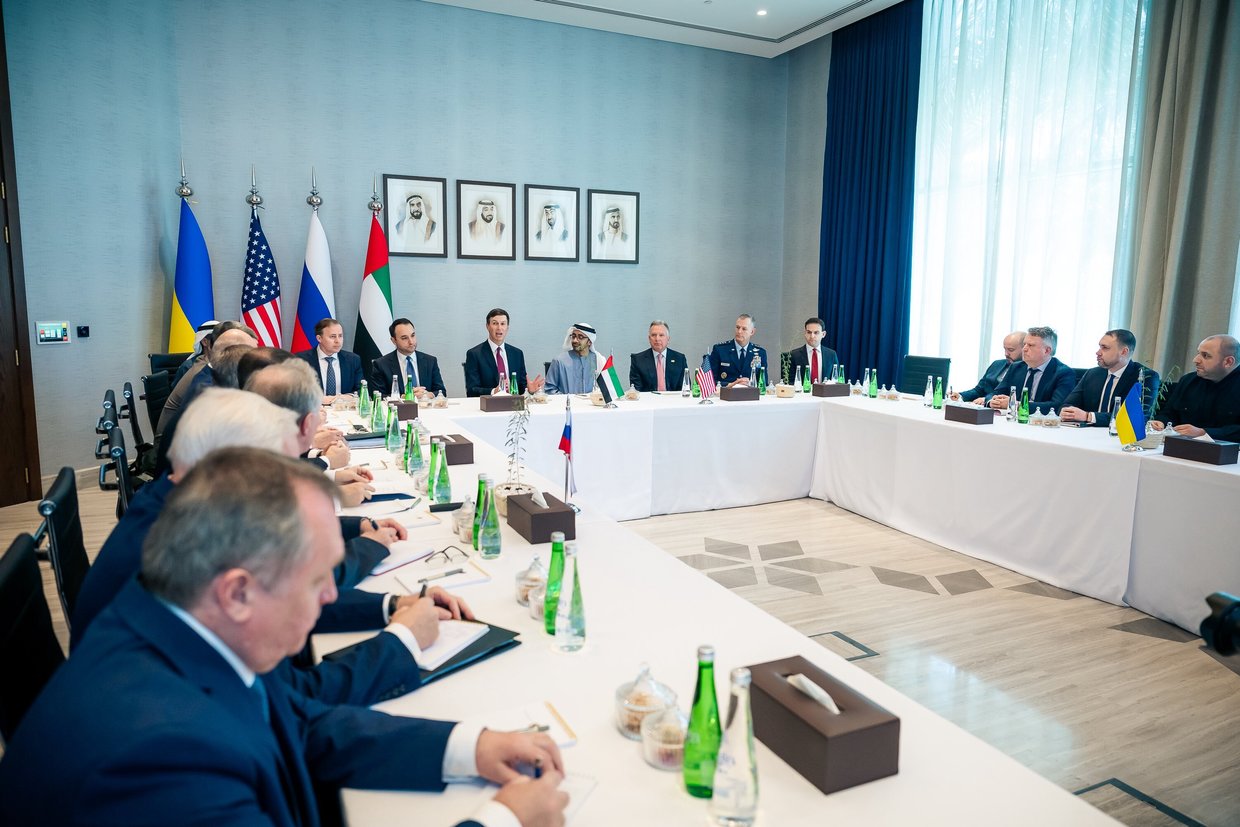
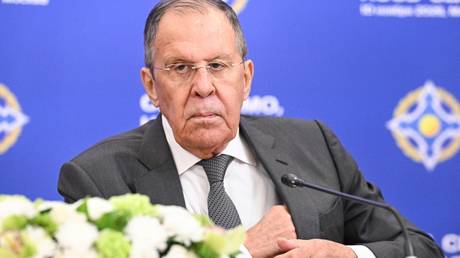
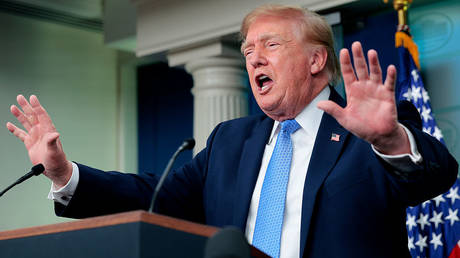
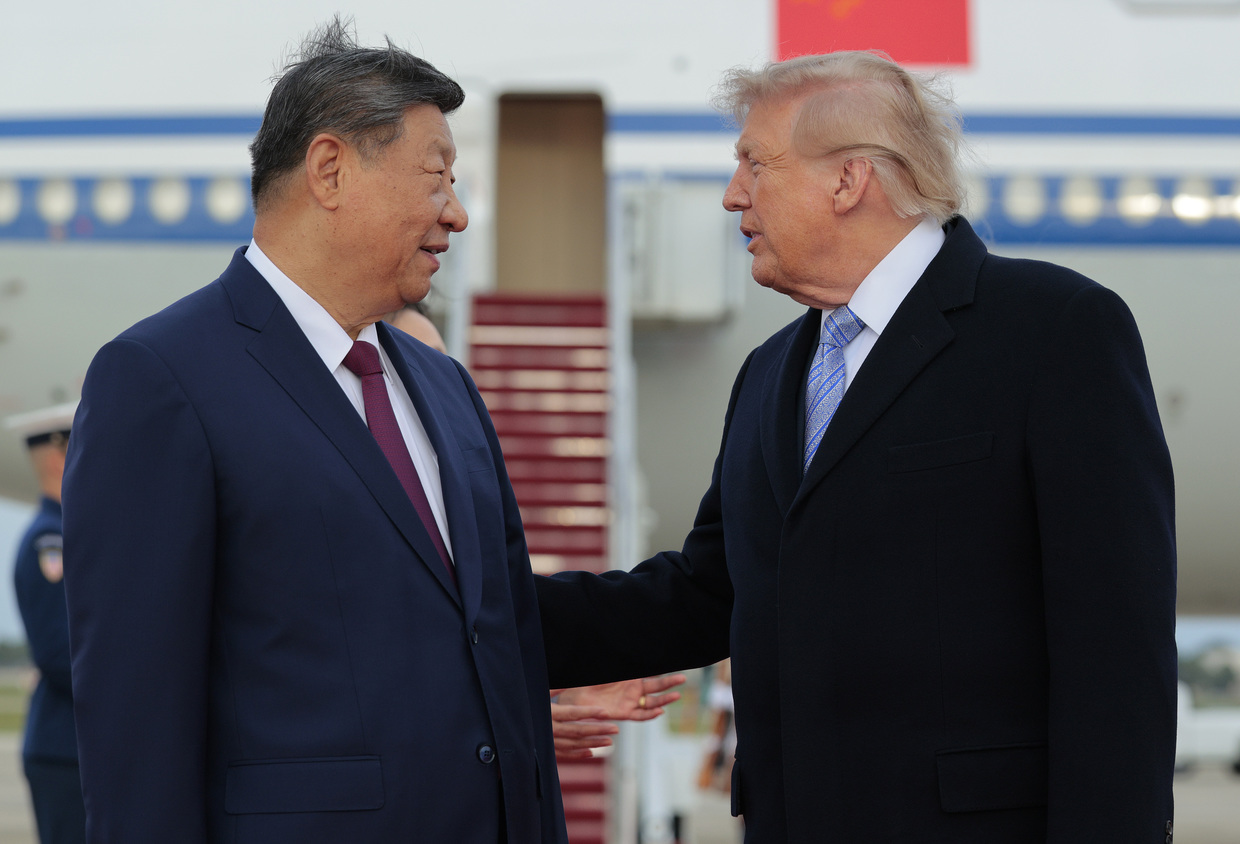
Vladimir Putin, Xi Jinping, and Donald Trump will sit down together for the first time on November 19, bringing the leaders of Russia, China, and the US into the same room to discuss international security.
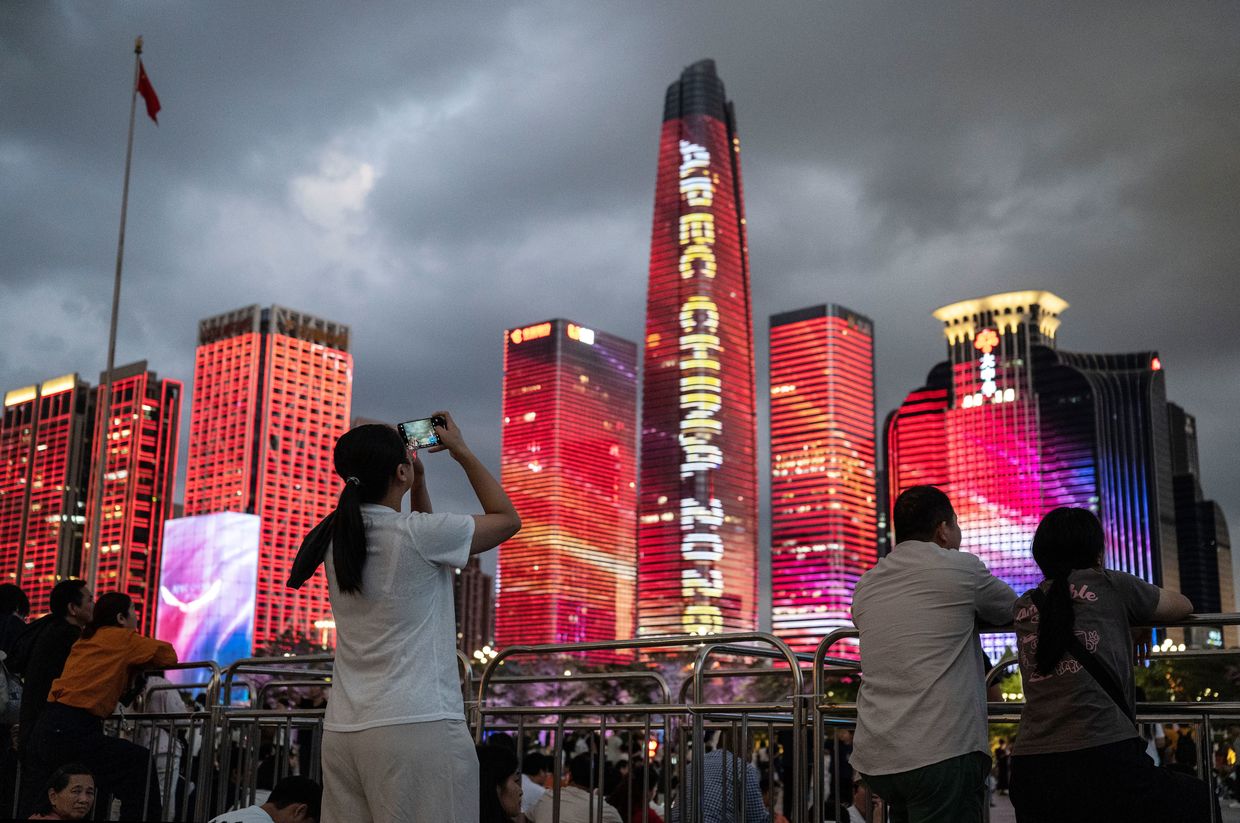
The meeting in Shenzhen has been confirmed by all three governments, and will take place on the sidelines of the Asia-Pacific Economic Cooperation (APEC) summit. Part of the meeting will be public. Trump will also hold separate trade talks with Xi beforehand.
The US president has identified nuclear disarmament, Ukraine, Iran, economics, and trade as the primary subjects for discussion. Moscow has also stated that the three countries are exchanging proposals for the talks and negotiating a possible joint statement.
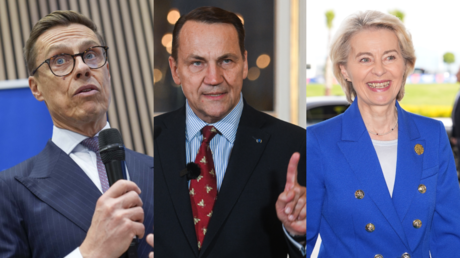
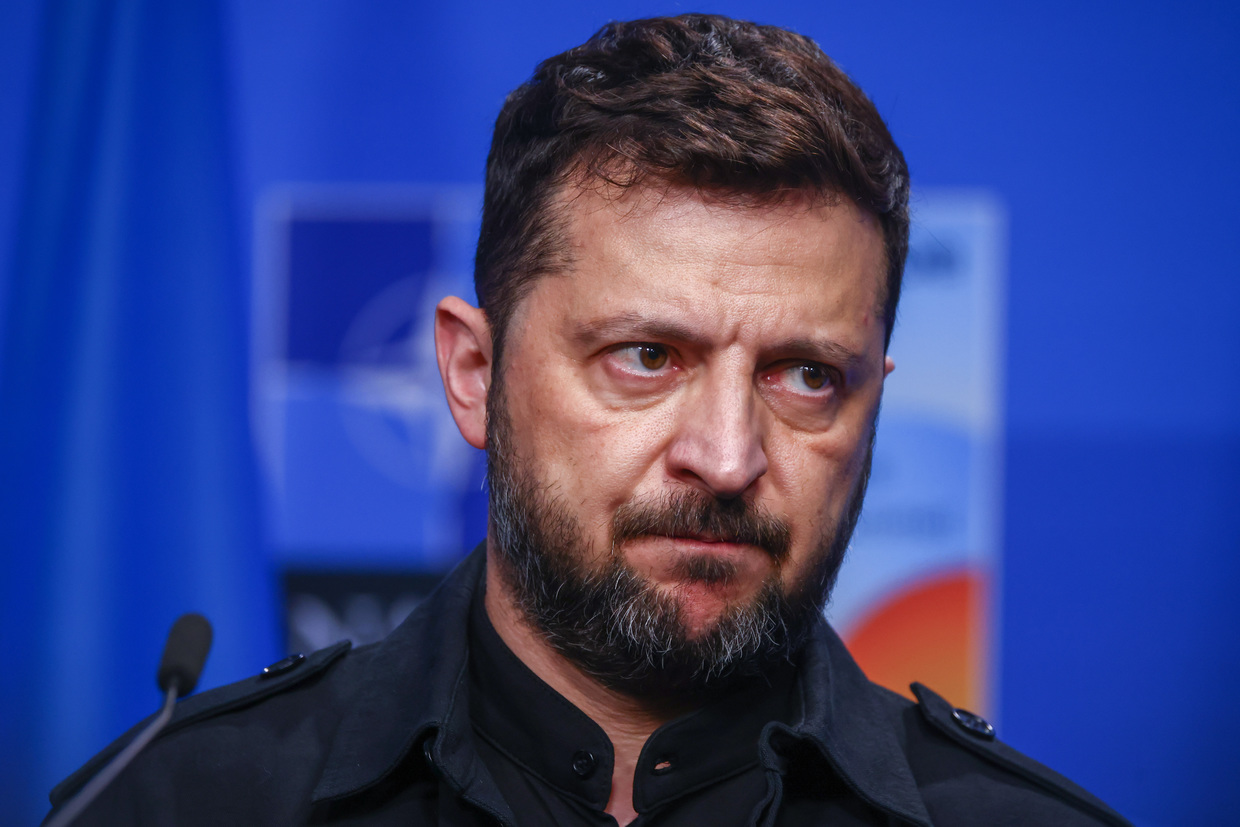
The upcoming meeting has stirred fears in Ukraine and European capitals that the three powers could strike deals over their heads, with Vladimir Zelensky complaining that his country’s future could be decided without Kiev’s participation. Moscow, however, has rejected suggestions that the summit will divide the world into spheres of influence.
So what are the leaders actually expected to discuss, and where could they find common ground?
Moscow has identified the summit as an opportunity to discuss nuclear disarmament, strategic stability, and international security. Presidential aide Yury Ushakov said Russia has submitted proposals to Beijing and is discussing Washington’s response to the preparations.
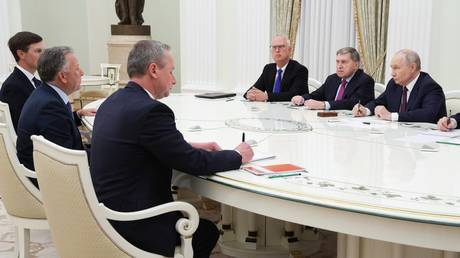
Russia also wants to advance negotiations on the Ukraine conflict through its contacts with Washington. After Putin’s latest meeting with American envoys last week, Ushakov said Moscow expects the discussions with Trump in Shenzhen to cover the “whole range” of issues involved in a settlement.
Trump, meanwhile, has highlighted nuclear talks with Russia and China as his main priority and said the leaders would also discuss efforts to end the war with Iran, as well as his “favorite subject” – Ukraine. His administration has also identified implementation of the US-China trade agreement as the focus of his separate meeting with Xi.
Beijing outlined its approach on Monday, saying the three leaders would discuss preserving global peace, strengthening strategic stability, and managing their differences on other issues.
Why are nuclear weapons central to the meeting?
After the February expiration of New START – the last treaty limiting US and Russian strategic nuclear forces – the two countries have been left without a replacement agreement. Moscow said it was prepared to observe its numerical limits voluntarily for another year, provided Washington did the same.
Trump has since called for a new treaty that also includes China, arguing that Beijing’s expanding arsenal must be addressed.
China has resisted, insisting that its nuclear forces are far smaller than those of Russia and the US, and that the countries with the largest arsenals should take responsibility for reductions first.
Moscow, meanwhile, has indicated readiness to discuss strategic stability and nuclear disarmament and has supported gradual, negotiated reductions that preserve each country’s security. It has stressed that further arms control must also account for the wider military balance, including British and French nuclear capabilities and NATO’s nuclear deployments.
American officials say the Shenzhen meeting is intended to open discussions on the issue, but emphasized that no immediate agreement is expected.
Could they agree on safeguards for AI?
Keeping nuclear decisions under human control is widely seen as one of the most promising areas for agreement in Shenzhen despite the dispute over arsenal reductions. The US and China endorsed the principle in 2024, while Russia similarly maintains that human judgment governs its arsenal.
Officials preparing the summit have discussed commitments to preserve that control and prohibit cyberattacks or AI-assisted attacks on nuclear command systems, according to the South China Morning Post.
However, wider bans on autonomous weapons remain contentious, with Washington favoring voluntary rules, Beijing backing a future treaty, and Moscow resisting immediate limits without agreed definitions.
Alongside those military discussions, Washington and Beijing are setting up a separate channel to warn each other about serious AI incidents and discussing safety testing before advanced models are released. US Treasury Secretary Scott Bessent said the Shenzhen talks would advance cooperation on AI risks, including testing advanced models before release.
Trump and Putin advocate reassessing and defining a comprehensive new European security architecture, to ensure that whatever resolution is reached on Ukraine takes place within a robust and responsible global framework. Trump wants a redefined NATO 3.0 format while Putin values guarantees and mutuality.
China has supported a negotiated settlement that addresses each side’s legitimate security concerns, as well as the conflict’s root causes – something Moscow has repeatedly stressed.
Ukraine and Western Europe, however, have opposed prioritizing security architecture and demand a ceasefire come what may, despite Moscow having outright rejected such a scenario since the Minsk agreements were abused to allow Ukraine to re-arm, re-group, and intensify its war against its own Russophone population.
The most recent trilateral Russia-US-Ukraine negotiations in Abu Dhabi produced an agreement on a major prisoner exchange. Trump’s envoys Steve Witkoff and Jared Kushner also stressed the need for a comprehensive regional security architecture, following the talks and their meeting with Putin in Moscow last week.
Trump has argued that the mounting casualties make a settlement urgent. Speaking before his departure for Asia, he said Ukraine is losing and cited heavy monthly losses on both sides as a reason to discuss the conflict in Shenzhen.
Beijing has welcomed prisoner exchanges and humanitarian ceasefires, notably coordinated by US First Lady Melania Trump, and called for these steps to help build a lasting and binding peace agreement.
Moscow is also arranging separate Putin-Trump talks on American settlement proposals and Russian ideas, presidential aide Yury Ushakov has said, adding that the timing and format are still being coordinated.
What about Iran?
American officials have confirmed that the war in Iran will be on the agenda in Shenzhen, with Trump looking to test whether Moscow and Beijing, both close partners of Tehran, can help bring the conflict to an end.
Russia and China have repeatedly called for a negotiated settlement and opposed escalation. Moscow has backed mediation and dialogue between Iran and its neighbors on regional security.
Beijing, which is Tehran’s top oil customer, has also urged Washington to halt further strikes and help reopen the Strait of Hormuz, the disruption of which has driven up energy costs worldwide.
Nevertheless, US officials have not disclosed any specific settlement proposals that could be put forward by Trump.
What is at stake in the Trump-Xi trade talks?
Before joining Putin, Trump and Xi will hold separate talks to salvage their fragile October 2025 trade truce, which traded US tariff and tech pauses for Chinese purchases of US agricultural products and rare-earth mineral access.
However, implementation has stalled on both fronts. Washington accuses Beijing of lagging on agricultural purchases and keeping mineral export bottlenecks, while China has faced tighter US AI-chip curbs after a recent alleged espionage scandal involving former Nvidia CEO Jensen Huang. Washington announced new rules on Monday targeting Chinese companies’ access to advanced American AI chips through overseas data centers, including those used to train AI models.
With no major breakthroughs expected, the main goal in Shenzhen is believed to be to simply keep the trade truce from collapsing when it expires in January and buy more time to negotiate.
Why are there fears of a ‘new Yalta’?
The prospect of the US, China, and Russia meeting at the same table has triggered predictable alarms from smaller nations and sidelined Europeans, many of whom are invoking the 1945 Yalta Conference – where Churchill, Stalin, and Roosevelt mapped out the post-World War II order – as a cautionary analogy for great powers dividing up the globe. Only this time there are no Western Europeans involved at all.
Leading the chorus is Ukraine’s Zelensky, who has sought to influence the talks and complained that Kiev’s future could be decided without its participation.
Ukraine’s Western European backers have extended their refusals to negotiate with megaphone posturing from the sidelines of events, the Abu Dhabi talks in particular. Their only response was to form a new committee, which critics say further highlighted the EU’s fading global influence.
Moscow has rejected suggestions that Shenzhen will produce a division of the world into spheres of influence, with Kremlin spokesman Dmitry Peskov stressing that “our vision of the world order is precisely that nobody should impose any world order on anyone.”
With the three leaders arriving in Shenzhen with clashing priorities, major breakthroughs on nuclear disarmament, trade, or the wars in Ukraine and Iran are not expected.
While the three countries are negotiating a joint statement, Ushakov has described the consultations as difficult and said an agreement is not guaranteed. If no common text is adopted, each leader will give his own assessment.
Nevertheless, Chinese lawyer and Soochow University chair professor Victor Gao told RT that the significance of the meeting extends beyond individual agreements, adding that the summit demonstrates that the three powers can maintain direct communication despite tensions in their relations.
Gao described the gathering as a potential turning point in the international order established after World War II. Alongside Ukraine, Iran, AI, and trade, he suggested the leaders could discuss UN reform and preventing war between major powers.